The future of electric vehicles in 2026 is about more than just driving; it's about powering your life. Discover how Vehicle-to-Grid (V2G) technology is transforming EVs into mobile power plants, offering unprecedented energy independence, significant cost savings on electricity bills, and a path to a truly sustainable smart home. Explore the best V2G-enabled cars and home charging solutions available now to unlock your vehicle's full potential.
Unlock FREE Energy? The 2026 Guide to Vehicle-to-Grid (V2G) EVs & Smart Home Power! Save Big Now!
ADVERTISEMENT
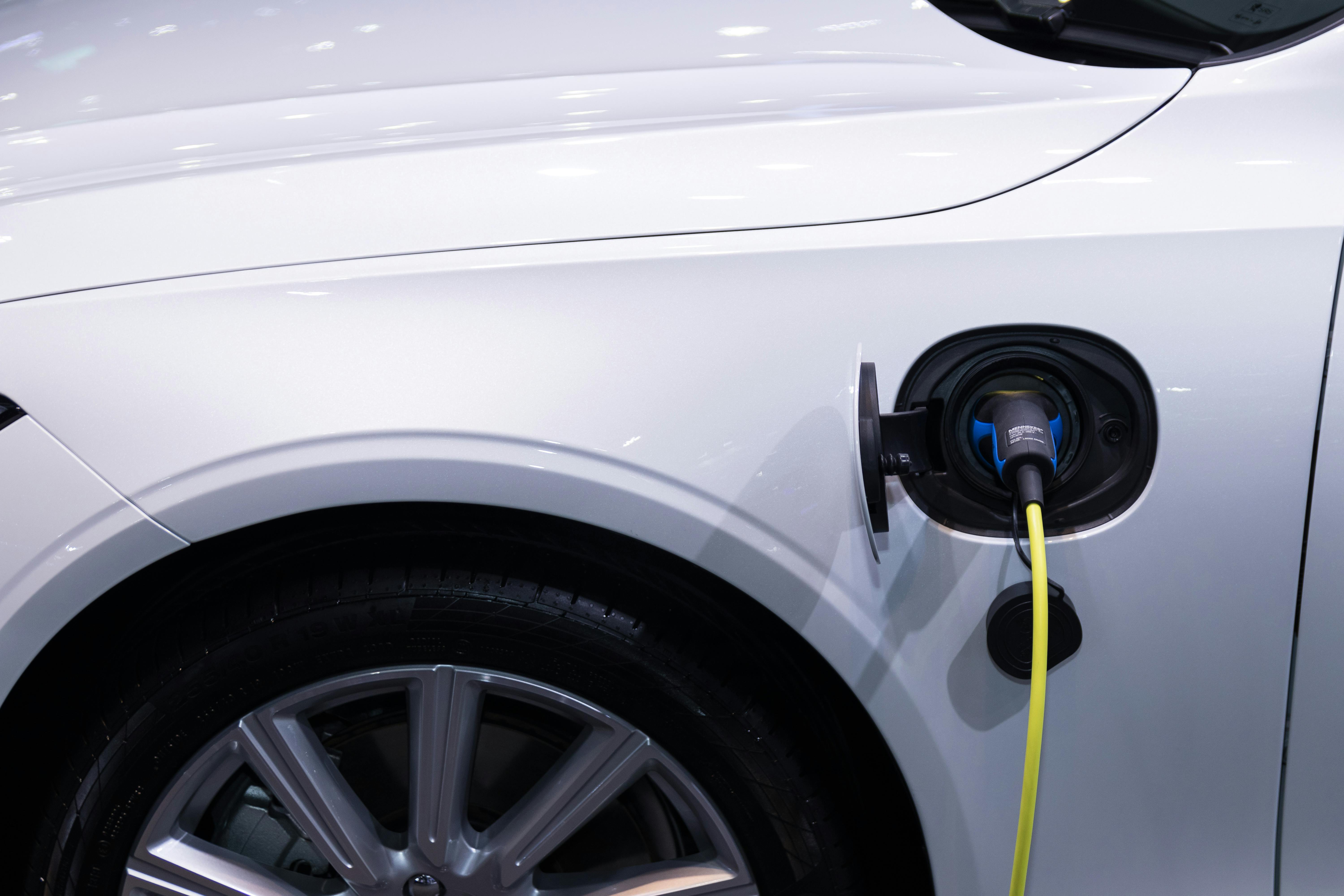
Welcome to 2026, where the electric vehicle revolution has reached an exhilarating new frontier: Vehicle-to-Grid, or V2G technology. For years, EVs have promised cleaner commutes and reduced emissions, but now, they’re poised to fundamentally transform our relationship with energy itself. Imagine your sleek, quiet EV not just taking you from point A to point B, but also powering your home during an outage, selling surplus energy back to the grid when prices are high, or even balancing the national power supply. This isn't science fiction; it's the reality of V2G, and it's set to redefine what it means to own an electric car.
At motorscrazy.com, we’ve been tracking this seismic shift, and the hype is real. V2G bidirectional charging is no longer a niche concept; it's rapidly becoming a mainstream feature, driven by advancements in battery technology, smart grid infrastructure, and a global push for energy resilience. For consumers, this means more than just environmental benefits; it translates directly into significant financial savings, unparalleled energy independence, and the ability to contribute actively to a more sustainable future. If you're considering an EV purchase in 2026, understanding V2G isn't just an advantage—it's essential for maximizing your investment and unlocking a world of new possibilities.
The concept of using electric vehicle batteries as distributed energy storage has been discussed for decades, but it's only in the mid-2020s that V2G has truly come into its own. Early iterations, like Vehicle-to-Load (V2L) and Vehicle-to-Home (V2H), laid the groundwork, allowing EVs to power appliances or even an entire house independently. The Ford F-150 Lightning, for instance, pioneered advanced V2H capabilities, demonstrating the practical utility of a large EV battery during power outages. However, V2G takes this a step further by enabling two-way communication and power flow directly with the broader electrical grid, allowing your car to become an active participant in energy management.
By 2026, several critical factors have accelerated V2G's adoption. Firstly, battery technology has matured, offering higher capacities, improved longevity, and more robust thermal management systems, alleviating concerns about battery degradation from frequent charging and discharging cycles. Secondly, the smart grid infrastructure has advanced significantly, with more utilities and energy providers integrating sophisticated software and hardware capable of managing bidirectional energy flows. Governments worldwide, recognizing the potential for grid stability and renewable energy integration, have also introduced substantial incentives and pilot programs. Nations like Japan, the UK, and parts of the US are leading the charge, offering subsidies for V2G chargers and even direct payments for grid services provided by EV owners.
Consider these compelling facts: Analysts project that by 2030, V2G could contribute up to 20% of peak demand reduction in certain urban areas, equivalent to several traditional power plants. Furthermore, studies indicate that a typical V2G-enabled EV owner could save hundreds, if not thousands, of dollars annually by participating in demand response programs or simply optimizing their home energy consumption. This isn't just about environmental responsibility; it's about tangible, measurable economic benefits for you, the EV owner, and a more resilient, efficient energy landscape for everyone.
"The shift to V2G is arguably the most significant evolution in EV technology since the advent of long-range batteries," states Dr. Anya Sharma, lead EV analyst at the Future Mobility Institute. "It transforms a depreciating asset into a revenue-generating one, fundamentally altering the total cost of EV ownership. We're seeing a paradigm shift where your car isn't just a consumer of energy but a valuable contributor to the energy ecosystem."
ADVERTISEMENT
However, the journey isn't without its challenges. One primary concern for potential buyers has always been battery degradation. "While modern EV batteries are remarkably robust, intelligent V2G systems are crucial," explains Carlos Rodriguez, CEO of GridCharge Solutions, a leading V2G hardware provider. "Our algorithms ensure charging and discharging cycles are optimized to minimize stress on the battery, often operating within a sweet spot that actually helps maintain battery health long-term, similar to how exercise benefits a muscle. The financial returns from V2G participation often far outweigh any negligible, theoretical impact on battery lifespan."
Another hurdle has been standardization and interoperability. "The industry is rapidly converging on unified communication protocols like ISO 15118-20, which is critical for seamless V2G operation across different vehicle brands and charging stations," notes Maria Chen, a senior energy policy advisor. "This standardization, coupled with clearer regulatory frameworks and dynamic pricing signals from utilities, is paving the way for widespread adoption. We anticipate that by the end of 2026, most new premium EVs and a significant portion of mid-range models will offer V2G compatibility as a standard or readily available option."
The economic analysis is overwhelmingly positive. Beyond direct payments for grid services, V2G allows homeowners to implement energy arbitrage – charging their EV when electricity prices are low (e.g., overnight or during periods of high renewable energy generation) and then using that stored energy to power their home or sell it back during peak, expensive hours. This strategy, combined with solar panel integration, can virtually eliminate electricity bills for many households, transforming the home into a truly energy-independent entity. The ROI on a V2G-enabled setup, including the charger and potentially an EV, is becoming increasingly attractive, especially with ongoing government rebates and tax credits designed to accelerate adoption.
Ready to turn your EV into an energy asset? Here’s a look at some of the top V2G-enabled vehicles and home charging solutions making waves in 2026, designed to help you save money and gain energy independence.
Prices are estimates for 2026 and may vary based on region, trim levels, incentives, and installation costs. Always consult with a certified installer for specific pricing and compatibility.
Looking beyond 2026, the trajectory for V2G technology is nothing short of revolutionary. We anticipate a future where V2G isn't just an optional feature but a standard component of nearly every EV. The integration will become deeper, moving beyond simple power export to truly dynamic energy management, where your car intelligently responds to real-time grid signals, weather forecasts (for solar optimization), and your household's predicted energy needs.
ADVERTISEMENT
The rise of AI and machine learning will play a pivotal role, enabling V2G systems to predict optimal times for charging and discharging with unprecedented accuracy, maximizing your financial returns and minimizing battery wear. We'll also see more "grid-agnostic" V2G solutions, allowing seamless participation in various utility programs and energy markets, regardless of your location. Furthermore, the concept of "community V2G" is emerging, where entire fleets of EVs in residential areas or corporate campuses collectively act as a virtual power plant, providing significant grid services and fostering local energy resilience.
This future promises not only financial savings for individuals but also a more robust, decentralized, and sustainable energy infrastructure for society. EVs will become critical assets in balancing intermittent renewable energy sources like solar and wind, accelerating the transition away from fossil fuels. The journey to a fully electrified, intelligent, and interconnected energy ecosystem is well underway, with your V2G-enabled EV at its very heart.
The year 2026 marks a pivotal moment for electric vehicles, as V2G technology moves from concept to widespread reality. It’s no longer just about emission-free driving; it's about harnessing the immense power stored in your EV's battery to achieve energy independence, generate income, and contribute to a greener, more stable energy grid. The financial benefits, coupled with the profound environmental impact, make V2G-enabled EVs and charging solutions an incredibly smart investment for the modern consumer.
At motorscrazy.com, we believe that understanding and embracing V2G is key to unlocking the full potential of your EV purchase. Whether you're eyeing a powerful Ford F-150 Lightning, an efficient Hyundai Ioniq 6, or a budget-friendly Nissan Leaf, the options for integrating your vehicle into a smart energy ecosystem are more accessible than ever. Don't just drive electric – empower your home, your wallet, and your future. Explore the V2G options available today and take the wheel of your energy destiny!
Editor and trend analyst at motorscrazy.com.
ADVERTISEMENT
Related Articles