As we cruise into 2026, the electric vehicle landscape is buzzing with a groundbreaking innovation: solid-state batteries. Promising to redefine EV range, charging speed, and safety, this next-generation technology is set to transform your driving experience. Discover which brands are leading the charge, how solid-state compares to traditional lithium-ion, and if now is the right time to invest in an EV poised for the future. Get ready for longer journeys, faster pit stops, and unmatched peace of mind.
Solid-State EV Batteries: The 2026 Game Changer? Unlock Unprecedented Range, Speed & Safety – Is It Time To Buy?
ADVERTISEMENT
Welcome to 2026, where the automotive world is on the cusp of its most significant energy storage revolution since the advent of the internal combustion engine. For years, the holy grail of electric vehicle development has been a battery that offers superior range, lightning-fast charging, enhanced safety, and a lighter footprint, all at an affordable cost. Enter solid-state batteries. No longer a distant dream, this transformative technology is beginning to transition from laboratory breakthroughs to real-world applications, promising to unlock the full potential of electric mobility. At motorscrazy.com, we’re diving deep into how solid-state batteries are not just an incremental upgrade but a paradigm shift that will dramatically influence your next EV purchase, driving unparalleled value and performance. Are you ready to redefine your expectations of what an electric car can do?
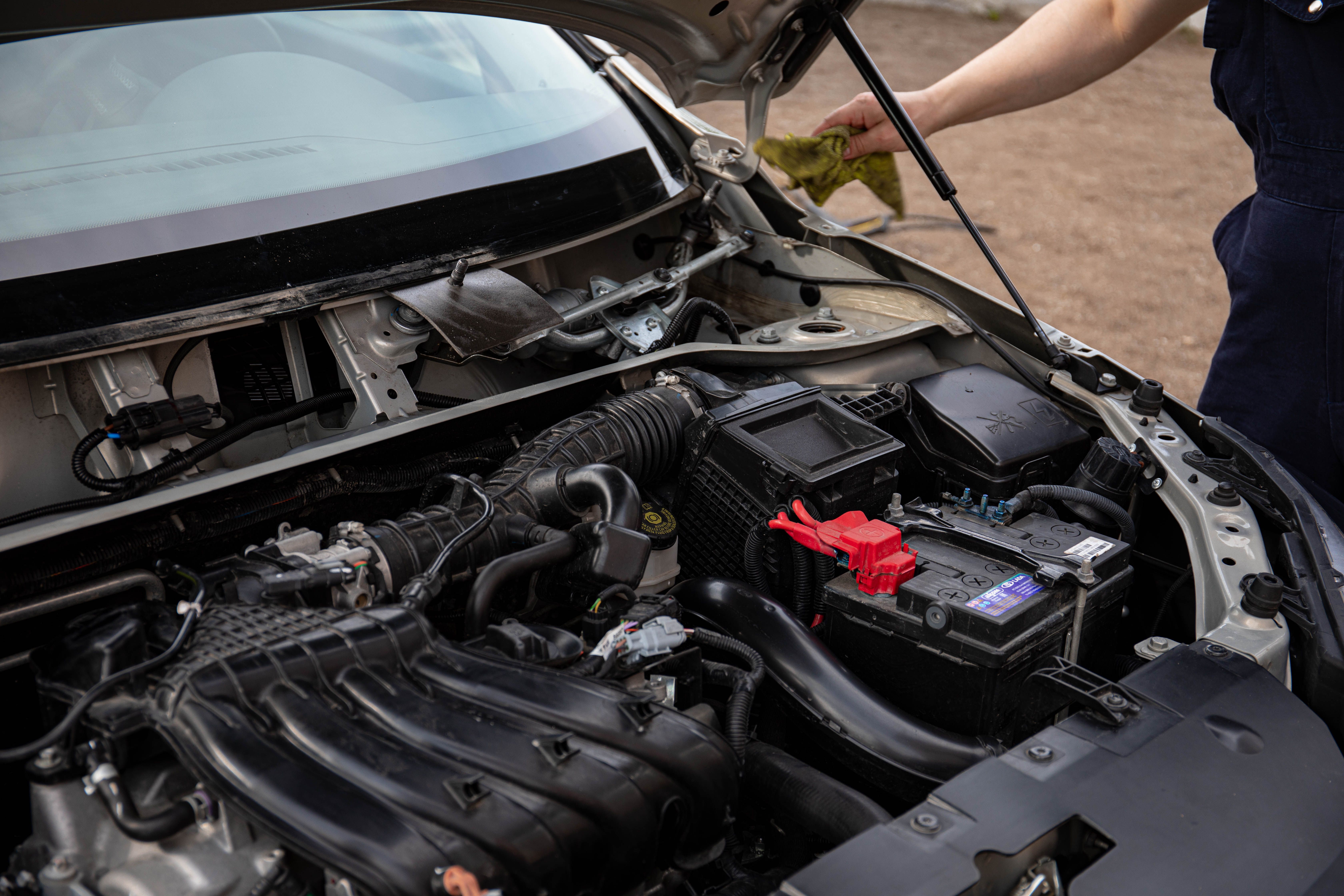
To truly appreciate the impending impact of solid-state batteries, it’s essential to understand what they are and how they differ from the lithium-ion (Li-ion) batteries that power the vast majority of EVs today. Current Li-ion batteries utilize a liquid or gel electrolyte to transport lithium ions between the anode and cathode. While effective, this liquid component is flammable, can degrade over time, and limits energy density. Solid-state batteries, as the name suggests, replace this liquid electrolyte with a solid material – typically ceramic, glass, or polymer. This fundamental change brings a cascade of benefits.
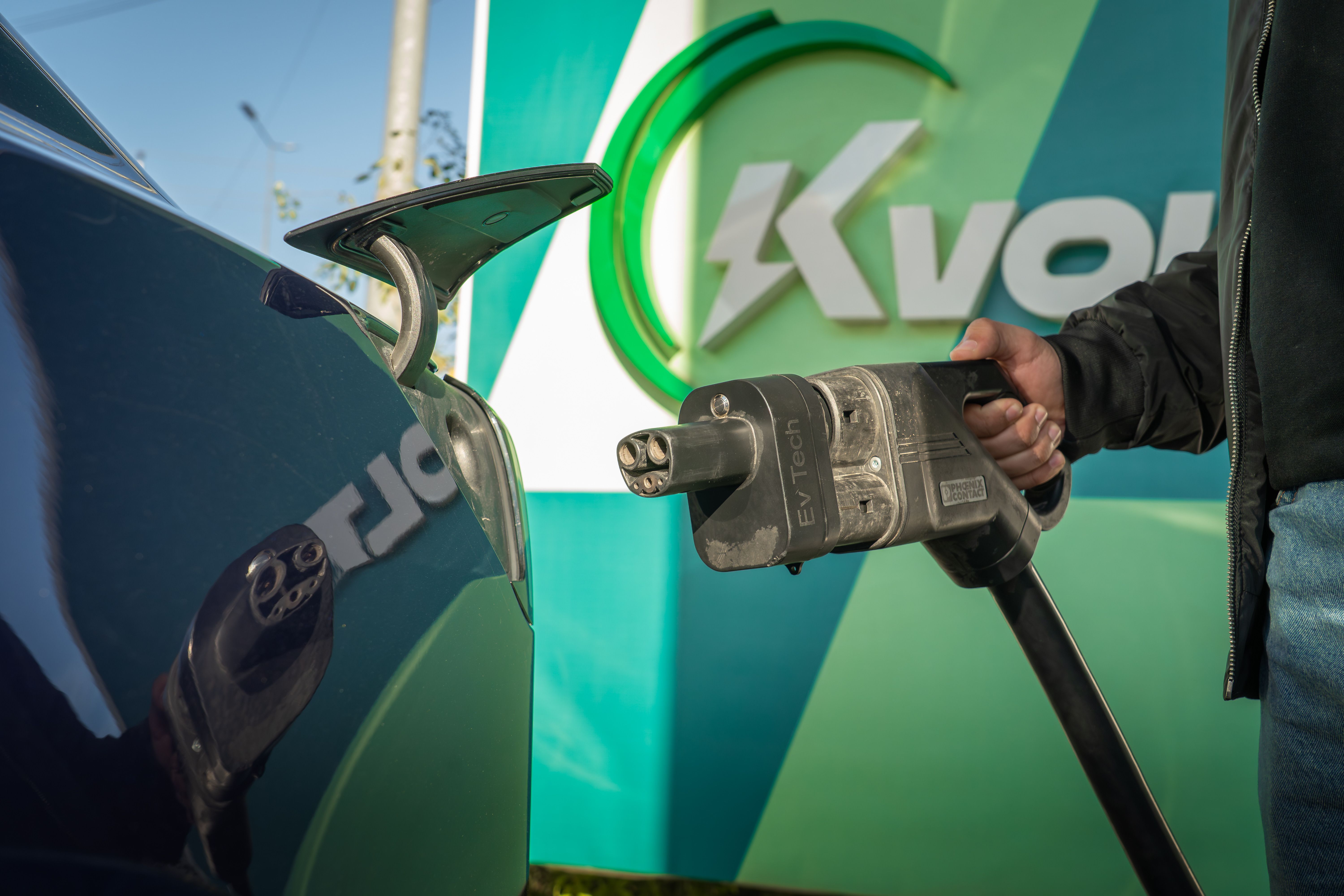
Firstly, energy density. A solid electrolyte allows for the use of a pure lithium metal anode, which can store significantly more energy than the graphite anodes found in Li-ion batteries. This translates directly into vastly improved range – think 500, 600, or even 700+ miles on a single charge for mainstream vehicles, making range anxiety a relic of the past. Secondly, charging speed. The solid electrolyte can often handle higher current densities, enabling ultra-fast charging times, with some prototypes demonstrating 10-80% charge in under 10-15 minutes. Imagine adding hundreds of miles of range during a quick coffee break!
Safety is another monumental advantage. By eliminating the flammable liquid electrolyte, the risk of thermal runaway and battery fires is drastically reduced, making solid-state EVs inherently safer. Furthermore, solid-state batteries are generally more stable across a wider range of temperatures, offering better performance in extreme climates and potentially a longer overall lifespan. The solid nature also allows for more compact battery pack designs, freeing up interior space and reducing vehicle weight, which further enhances efficiency and handling. While challenges in manufacturing scalability and cost remain, significant strides have been made by pioneers like Toyota, QuantumScape, Solid Power, and StoreDot, bringing these once-futuristic power sources firmly into the realm of commercial viability for premium and eventually mass-market EVs by the end of this decade.
We sat down with Dr. Elena Petrova, a leading expert in battery chemistry and CEO of 'ElectroFuture Consulting,' to get her perspective on the solid-state revolution. "The shift to solid-state is not just an evolution; it's a revolution that will redefine the entire EV ecosystem," Dr. Petrova asserts. "For 2026, we're seeing the first trickle of true solid-state integration into high-end vehicles, primarily from Asian manufacturers like Toyota and a few European luxury brands. These initial deployments are critical for real-world validation."
ADVERTISEMENT
When asked about the biggest challenges, Dr. Petrova highlighted manufacturing scalability. "While the lab results are phenomenal, scaling production to automotive volumes while maintaining cost-effectiveness and consistency is a monumental task. The interfaces between the solid electrolyte and electrodes are incredibly complex to engineer for mass production without defects. However, the breakthroughs in materials science and manufacturing processes in the last two years have been astounding. We're seeing hybrid approaches too, where semi-solid or polymer-solid electrolytes bridge the gap, offering immediate improvements while pure solid-state matures."
Regarding consumer impact, she adds, "For buyers, the implications are profound. Imagine a single charge taking you from New York to Miami without stopping, or a battery that lasts the lifetime of the vehicle with minimal degradation. This drastically lowers total cost of ownership and makes EVs more appealing to a broader demographic, especially those hesitant due to range or charging concerns. Brands that successfully integrate this technology first will capture significant market share and set new benchmarks for performance and safety. It's an exciting, albeit challenging, time for the industry." Her analysis suggests that while full mainstream adoption might be a few years away, the early adopters in 2026 will be experiencing a truly next-gen driving experience.
As solid-state battery technology begins its rollout in 2026, discerning buyers are faced with an exciting dilemma: invest in today's highly capable lithium-ion EVs, or wait for the full solid-state revolution? The truth is, the market offers compelling options across both spectrums, with certain brands positioning themselves strongly for the solid-state future. Here’s a breakdown and comparison to help you make an informed purchasing decision.
For 2026, true, commercially available full solid-state battery EVs are still rare and often limited to ultra-premium segments or specific geographic markets. However, several manufacturers are either launching vehicles with advanced hybrid battery chemistries (often referred to as 'semi-solid-state' or 'next-gen Li-ion with solid components') or have clear roadmaps for full solid-state integration within the next 12-24 months. These are the brands and models to watch:
Here's a detailed comparison of current top-tier Li-ion EVs (representing the best of 2026's established technology) versus the promise of emerging solid-state options:
ADVERTISEMENT
Recommendation for Buyers: If you need an EV now, the current generation of lithium-ion vehicles offers fantastic value, range, and performance. Many come with attractive financing options and charging network access deals. However, if you are an early adopter, prioritize cutting-edge technology, and are willing to pay a premium, keeping a close watch on the brands mentioned above (Toyota, Nio, Mercedes-Benz, VW Group) for their solid-state announcements is crucial. For those with a longer purchasing horizon (1-2 years), waiting for broader solid-state availability could yield an even more revolutionary driving experience. Always check for the latest incentives and dealership offers on motorscrazy.com to maximize your investment.
Looking beyond 2026, the trajectory for solid-state batteries is steep and exciting. The initial rollout in premium and niche vehicles will serve as a crucial testbed, allowing manufacturers to refine production processes and optimize performance. By 2028-2030, we anticipate solid-state technology to become increasingly prevalent in mid-range and even entry-level EVs, driven by economies of scale and further material science advancements. This widespread adoption will not only make EVs more competitive with traditional gasoline cars in terms of upfront cost and performance but will also usher in new possibilities for vehicle design and functionality.
The implications extend beyond just passenger cars. Solid-state batteries are poised to revolutionize heavy-duty transport, aviation, and even grid-scale energy storage, offering safer, more efficient, and more compact solutions. Furthermore, the enhanced stability and potentially longer lifespan of solid-state batteries will contribute significantly to the circular economy, reducing waste and the need for frequent battery replacements. The charging infrastructure will also evolve to match these new capabilities, with even higher-power charging stations becoming the norm. The future of electric mobility is bright, efficient, and incredibly exciting, with solid-state batteries at its very core, propelling us towards a cleaner, more sustainable automotive future.
Solid-state batteries are no longer a futuristic concept; they are the imminent reality that will redefine electric vehicle performance in 2026 and beyond. With the promise of dramatically increased range, ultra-fast charging, and unparalleled safety, this technology is poised to eliminate the remaining hesitations for many prospective EV buyers. While current lithium-ion EVs offer exceptional value and performance, the brands investing heavily in solid-state are laying the groundwork for a truly revolutionary driving experience. As an informed consumer, understanding this technological shift is paramount to making the best purchasing decision for your needs and budget. Stay connected with motorscrazy.com for the latest updates, exclusive deals, and expert reviews as we navigate this thrilling new era of electric mobility. The future is electric, and with solid-state, it's brighter than ever!
Editor and trend analyst at motorscrazy.com.
ADVERTISEMENT
Related Articles