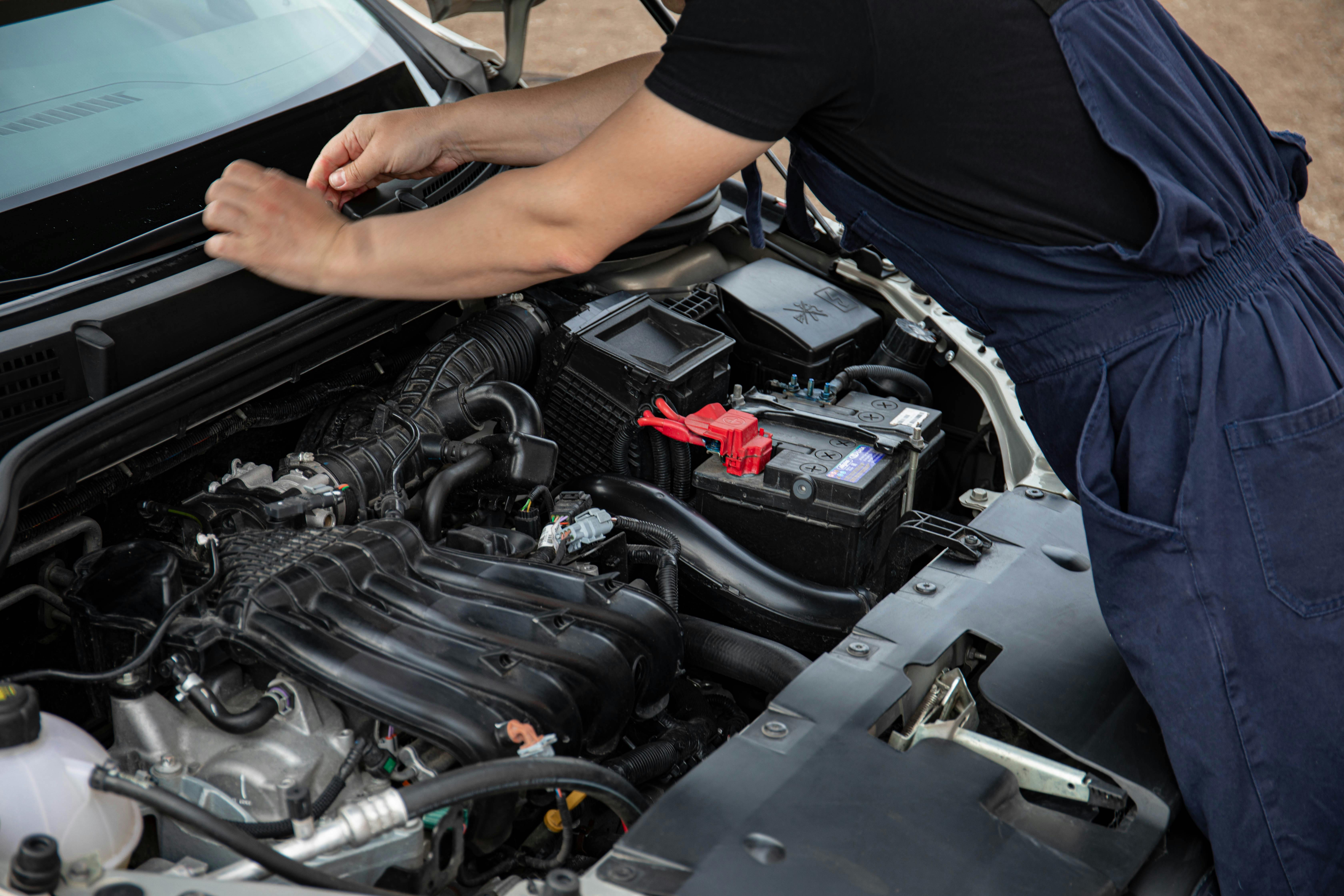
In 2026, Artificial Intelligence and advanced telematics are redefining auto insurance. Learn how your driving habits, from braking to mileage, are now directly impacting your car insurance rates. Discover the best personalized insurance options, compare top providers, and unlock massive savings – or face higher premiums – as your connected car becomes your personal risk assessor. Get ready to compare auto insurance quotes like never before!
🚨 The AI Insurance Revolution: How Your Driving Data Will Save (or Cost) You THOUSANDS in 2026!
ADVERTISEMENT

The year is 2026, and the world of auto insurance has been irrevocably transformed. Gone are the days when your premium was primarily determined by your age, zip code, and credit score alone. Welcome to the era of AI-powered, hyper-personalized car insurance, where your actual driving behavior is the ultimate arbiter of your rates. If you’re a safe driver, this is fantastic news – we’re talking about potential savings of hundreds, even thousands, of dollars annually. But for those with a lead foot or erratic habits, the future might hold a rude awakening.
At motorscrazy.com, we’ve been tracking this seismic shift, and the data is clear: connectivity and artificial intelligence are no longer just buzzwords; they are the bedrock of modern auto insurance. Your vehicle, increasingly equipped with advanced sensors and telematics systems, is now a data-gathering powerhouse, constantly feeding information about your driving style to algorithms that assess your unique risk profile in real time. This article will dive deep into this revolution, showing you exactly how it works, what it means for your wallet, and how you can navigate the new landscape to secure the cheapest car insurance rates possible.
The journey to AI-driven auto insurance began over a decade ago with rudimentary Usage-Based Insurance (UBI) programs, often involving a dongle plugged into your car's OBD-II port. These early systems primarily tracked mileage and hard braking/acceleration events. Fast forward to 2026, and UBI has evolved into a sophisticated ecosystem powered by Artificial Intelligence, machine learning, and ubiquitous connectivity. Modern vehicles, especially electric vehicles (EVs) and those with advanced driver-assistance systems (ADAS), come factory-equipped with the necessary sensors and cellular modems to collect a vast array of data points.
What data are we talking about? Beyond just mileage and aggressive maneuvers, today's AI systems analyze everything from your typical routes and the time of day you drive, to your cornering G-forces, distracted driving indicators (e.g., phone usage while driving, detected via smartphone apps or in-car cameras), and even your propensity for speeding in certain zones. The complexity and cost of repairing modern vehicles, particularly due to intricate ADAS sensors and expensive EV battery packs, have driven insurers to seek more precise risk assessments. A minor fender bender in an EV or a car with LIDAR can cost significantly more to repair than a similar incident in an older model, making accurate individual risk profiling essential for insurers to remain profitable and competitive.
By 2026, industry projections indicate that over 60% of new auto insurance policies globally will incorporate some form of telematics or AI-driven risk assessment. This isn't just about discounts; it's about fairness. Insurers argue that safe drivers shouldn't subsidize risky ones, and AI allows for an unprecedented level of granularity in pricing. This shift also helps combat insurance fraud, as detailed driving data can often corroborate or contradict accident claims, leading to more efficient claims processing and potentially lower costs for everyone.
“The days of one-size-fits-all auto insurance are officially over,” states Dr. Anya Sharma, a leading actuary and AI ethics consultant at Global Risk Analytics. “In 2026, if your insurer isn’t leveraging AI and telematics, they’re behind the curve. For consumers, this presents both an incredible opportunity and a significant challenge. The opportunity lies in unprecedented personalization: truly safe drivers can now access car insurance rates that reflect their minimal risk, potentially saving hundreds of dollars annually on their premiums. We’re seeing discounts of up to 50% for exemplary drivers.”
ADVERTISEMENT
However, Dr. Sharma also highlights the flip side: “The challenge comes with data privacy and the potential for increased premiums for drivers deemed ‘risky.’ What constitutes ‘risky’ is now defined by an algorithm, not just a broad demographic. Frequent late-night driving, sudden stops, or even specific routes through high-accident areas could push your rates up. The ethical implications of how this data is used, stored, and protected are paramount. Consumers must be vigilant about understanding their policy terms and what data their chosen provider collects and shares.”
The expert consensus is that this trend will only accelerate. The integration of vehicle manufacturers (OEMs) directly into the insurance process is also a growing factor. OEMs like Tesla already collect vast amounts of driving data, and others are following suit, potentially offering their own bundled insurance solutions or partnering exclusively with certain carriers. This creates a competitive landscape that demands consumers actively compare auto insurance quotes and understand the nuances of each AI-driven program to ensure they’re getting the best deal and the right coverage options for their individual needs.
Navigating the AI-powered auto insurance market in 2026 requires understanding which providers offer the best programs for your driving style and privacy preferences. Here are some of the leading options that have embraced advanced telematics and AI to offer personalized rates and significant savings:
To help you make an informed decision and compare car insurance effectively, here's a detailed comparison of these top AI-driven programs:
When comparing these options, always consider your specific driving habits, your comfort level with data sharing, and your vehicle's existing connectivity. Don't forget to check for comprehensive coverage, liability limits, and deductible options that fit your budget and needs. Getting multiple online quotes is the best way to ensure you're getting the cheapest car insurance that still offers robust protection.
ADVERTISEMENT
The future of auto insurance in the post-2026 landscape promises even more profound changes. We anticipate deeper integration with smart city infrastructure, where traffic patterns and road conditions could dynamically influence your real-time risk assessment. As autonomous vehicle technology advances towards Level 3 and beyond, liability models will shift, potentially placing more responsibility on manufacturers and software providers, which will undoubtedly impact policy structures and costs. Cyber insurance for connected cars is also poised to become a standard offering, protecting against hacking, data breaches, and software vulnerabilities that could compromise vehicle safety or personal information.
Regulatory bodies will continue to grapple with data privacy concerns, aiming to strike a balance between consumer protection and the benefits of personalized pricing. Expect to see new legislation governing how driving data can be collected, used, and shared. Furthermore, the concept of ‘behavioral economics’ will play an increasing role, with insurers using AI-driven insights to provide personalized coaching and incentives that actively encourage safer driving habits, thereby reducing overall risk and claims. The lines between vehicle ownership, mobility services, and insurance will blur, creating a highly dynamic and innovative market.
The AI revolution in auto insurance is not just a trend; it's the new reality for 2026 and beyond. Your car is indeed watching, but this watchful eye can be your greatest ally in securing incredibly low car insurance rates, provided you're a responsible driver. Understanding how your driving data impacts your premiums, comparing the best personalized insurance options, and actively seeking out providers that reward your safe habits are no longer optional – they are essential for maximizing your savings.
Don't get left behind in the past. Embrace the future of auto insurance, get informed, and take control of your premiums. Ready to see how much you can save? Start comparing auto insurance quotes from top AI-powered providers today and drive into a future of smarter, more affordable coverage. Your wallet will thank you!
Editor and trend analyst at motorscrazy.com.
ADVERTISEMENT
Related Articles