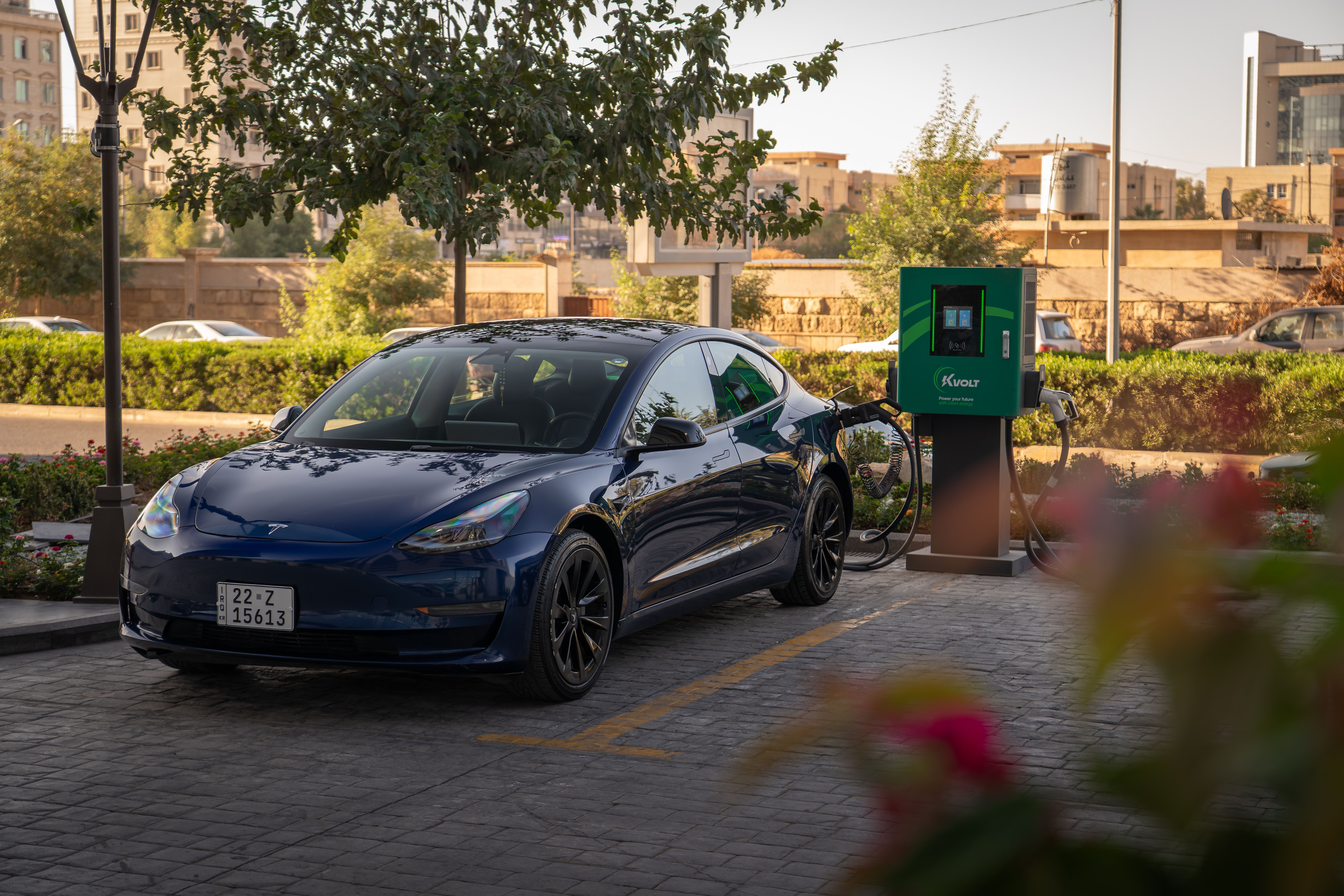
Imagine your car, your trusted companion, silently reporting your every move, every speed bump, every late brake to faceless corporations ready to jack up your insurance. It’s not a conspiracy theory; it’s happening NOW, and it could be costing you THOUSANDS. Prepare for the shocking truth about how your vehicle is covertly tracking you and what it means for your wallet.
The SHOCKING Truth: Your Car Is Secretly Spying On You To Hike Auto Insurance Rates!
ADVERTISEMENT

The sleek, technologically advanced vehicle sitting in your driveway isn't just a mode of transport; it's a sophisticated, rolling data center. For years, the automotive industry has been quietly embedding an intricate web of sensors, software, and connectivity features into our cars, ostensibly for safety, convenience, and performance optimization. What wasn't widely disclosed, however, is the alarming extent to which this technology is being used to collect, analyze, and monetize your driving data – often without your explicit, informed consent. This isn't just about GPS tracking; it's a deep dive into your driving habits, and the implications for your auto insurance rates are nothing short of catastrophic for unsuspecting drivers across the United States.
Modern cars, especially those manufactured in the last five to seven years, are equipped with an array of telematics systems. These systems capture an incredible granularity of data: your speed at any given moment, how hard you accelerate and brake, your turning radius, mileage, the routes you take, the time of day you drive, whether your seatbelt is fastened, and even how often you use your cruise control. Some vehicles even record crash data, near-misses, and the condition of your tires. This isn't just stored locally; it's transmitted, often wirelessly, to car manufacturers, third-party data brokers, and, increasingly, directly to insurance companies.
The mechanism for this data extraction is multi-faceted. It can come through your car’s built-in infotainment system, which often requires you to accept lengthy terms and conditions to enable features like navigation or app integration. It can be collected via manufacturer-specific apps you download to your smartphone, linking your driving behavior directly to your personal device. Even the ubiquitous OBD-II port, primarily designed for diagnostics, can be a gateway for data collection when aftermarket devices are plugged in, sometimes even by your mechanic or a roadside assistance provider. What’s more insidious is the rise of data brokers – shadowy entities that aggregate this information from various sources, package it, and sell it to the highest bidder, including the very insurance companies who then use it to assess your "risk profile."
Recent investigative reports, including a bombshell piece by the New York Times, have ripped the lid off this clandestine practice, revealing how major car brands have signed agreements to share detailed driving data with companies like LexisNexis Risk Solutions and Verisk. These data brokers then compile comprehensive reports on individual drivers, flagging behaviors deemed "risky" – from frequent hard braking to driving late at night – and feeding this information directly to auto insurers. The result? Drivers, completely unaware their every mile is being scrutinized, suddenly face unexplained spikes in their premiums or are denied coverage altogether. It’s a betrayal of trust, transforming your car from a symbol of freedom into a silent, ever-present spy, and it's happening right here, right now, to millions of American drivers.
ADVERTISEMENT
The financial ramifications of your car’s secret surveillance are far more profound than most drivers realize. At its core, the objective of this data collection is to create an ultra-granular risk assessment of you as a driver. Insurance companies thrive on predictive analytics, and this real-time, behavioral data is gold. They no longer have to rely solely on traditional metrics like age, driving record, credit score, or zip code. Now, they have an intimate portrait of your actual driving habits, and they are using it to justify significant hikes in your auto insurance rates.
Consider this: your insurer receives a report detailing your "risky" driving behaviors. Perhaps you commute during peak hours, which involves more stop-and-go traffic, leading to frequent hard braking. Or maybe you live in an area where speed limits are lower, and even slight accelerations are flagged as "aggressive." You might be a perfectly safe driver, but the raw data, stripped of context, is interpreted by algorithms designed to identify risk. A seemingly innocuous driving habit could be flagged, leading to a higher premium notification at renewal time, or even a denial of coverage when you try to switch providers. The average American already spends over $2,000 annually on auto insurance, and these covert data practices threaten to push that figure dramatically higher for an ever-growing segment of the population.
The financial impact isn't limited to direct premium increases. This data can also be used to influence other financial decisions. Imagine applying for a car loan, and your driving data subtly influencing the interest rate you're offered. Or perhaps a new insurance provider offers you an initial "discount" for enrolling in a telematics program, only to use the collected data to gradually increase your rates over time, trapping you in a cycle where opting out might mean an even steeper price hike. This creates a deeply unfair system where transparency is nonexistent, and the consumer is perpetually at a disadvantage.
Furthermore, the data collected can have a chilling effect on your driving behavior. The knowledge that every turn, every acceleration, every brake is being recorded can induce anxiety, turning the simple act of driving into a constant performance review. This hidden cost of psychological stress, combined with the tangible financial burden, makes this secret surveillance a significant threat to consumer autonomy and financial well-being. It’s a fundamental shift in the power dynamic between drivers and corporations, where your personal vehicle becomes a tool for corporate profit at your expense.
ADVERTISEMENT
Understanding that your car is a potential spy is the first step; taking action to mitigate the financial and privacy risks is the crucial next one. While a complete, foolproof solution remains elusive due to the pervasive nature of this technology, there are several strategies you can employ to reclaim some control. Here’s a comparison of your best options:
The landscape of automotive data privacy is rapidly evolving, and staying informed is your greatest defense. Regular checks of your vehicle manufacturer's privacy policies, coupled with critical evaluation of any "smart car" features or insurance programs, are essential steps in protecting both your privacy and your finances.
The alarming truth is undeniable: your car, once a symbol of personal freedom, has become a sophisticated data collector, silently reporting on your every move. This clandestine surveillance is not just an invasion of privacy; it's a direct threat to your financial well-being, enabling insurance companies to hike your rates based on data you never explicitly consented to share. The ecosystem of car manufacturers, data brokers, and insurers has created a powerful, opaque system designed to profit from your driving habits.
But knowledge is power. By understanding the mechanisms of this surveillance and exploring the options available, you can begin to reclaim control. Whether it’s meticulously reviewing privacy policies, disabling connected features, exploring aftermarket solutions, or making informed choices about your next insurance provider or vehicle, proactive steps are crucial. Don't let your car secretly drain your bank account. The battle for digital privacy extends to the asphalt, and it's time for every driver to stand up and demand transparency, consent, and fair practices. Your wallet, and your peace of mind, depend on it.
ADVERTISEMENT
Related Articles