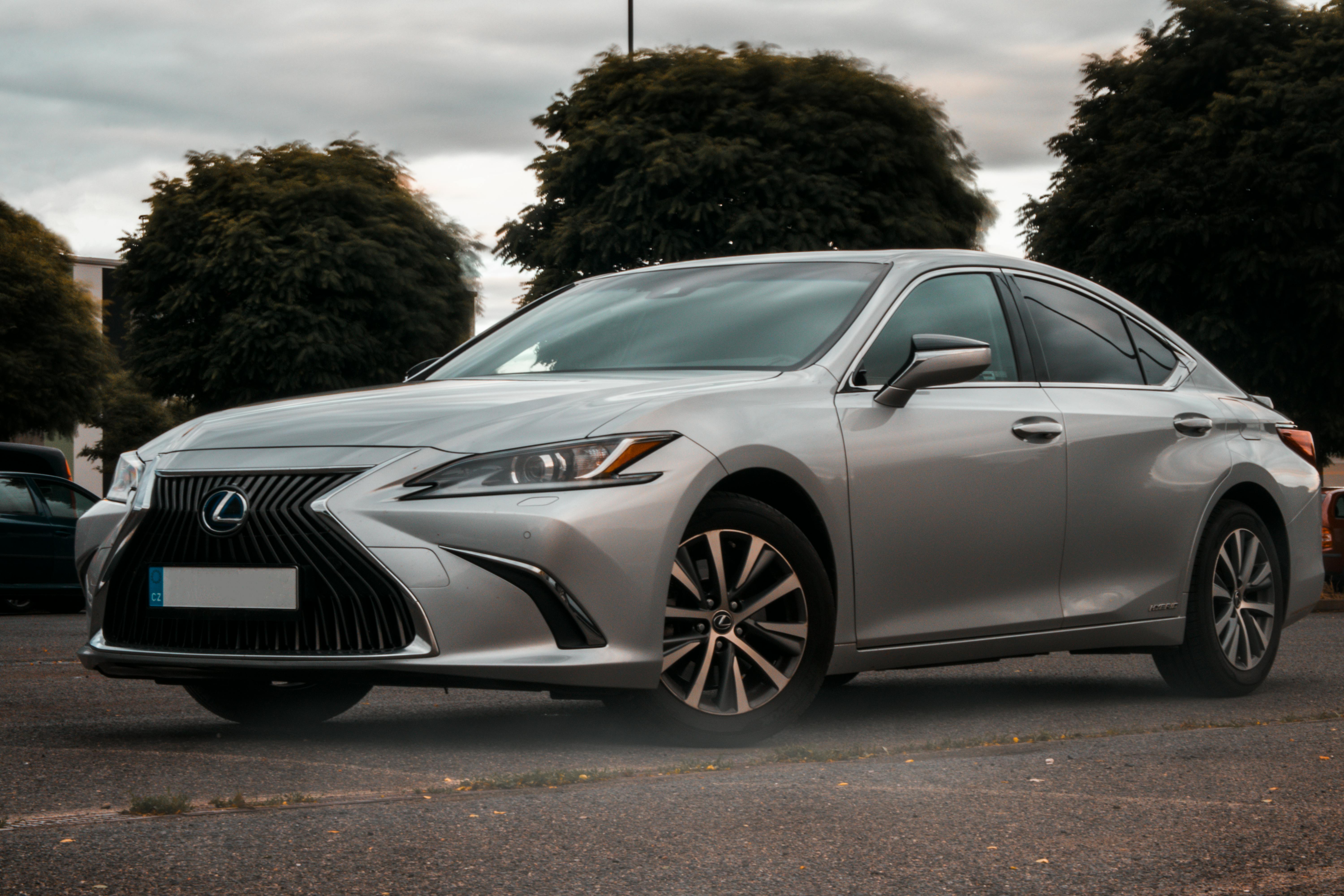
The automotive world of 2026 is undergoing a seismic shift, driven by advanced AI Co-Pilots and the ubiquitous rise of subscription-based autonomous driving features. Discover how Level 3 and Level 4 self-driving systems are transforming safety, convenience, and even car ownership, offering unparalleled personalization and an upgrade path for your vehicle's intelligence. Compare leading ADAS technologies and understand the financial implications for your next car purchase or software subscription.
Future is Now: How AI Co-Pilots & Subscription Autonomy Are Reshaping Your 2026 Ride!
ADVERTISEMENT
Welcome to 2026, where your car isn't just a mode of transport; it's a sentient partner, an AI Co-Pilot anticipating your every need, learning your driving style, and even handling the commute while you catch up on emails or simply relax. The era of truly personalized, conditionally autonomous driving has arrived, moving beyond basic driver assistance to a sophisticated dance between human and machine. No longer a distant dream, Level 3 and even nascent Level 4 self-driving capabilities are becoming standard offerings, often unlocked or enhanced through flexible, subscription-based models.
This paradigm shift is revolutionizing how we interact with our vehicles, promising not just enhanced safety and convenience, but a complete reimagining of the driving experience. From navigating congested city streets to managing long highway hauls, your AI Co-Pilot is designed to reduce fatigue, optimize routes, and even preempt potential hazards. But with great power comes great choice – and often, a monthly fee. As car manufacturers pivot to software-defined vehicles, understanding the landscape of these advanced systems, their capabilities, and the financial models behind them is crucial for any modern driver. Are you ready to subscribe to the future of driving?
The journey to autonomous driving has been a gradual ascent, marked by significant technological leaps. In 2026, the Society of Automotive Engineers (SAE) Levels of Driving Automation serve as our common language:
The technological backbone for these advancements includes hyper-accurate LiDAR, high-resolution cameras, advanced radar, and ultrasonic sensors, all feeding data into powerful AI processors. These systems learn from billions of miles of real-world and simulated driving data, constantly refining their decision-making algorithms. Crucially, Over-The-Air (OTA) updates are now standard, meaning your car's brain can evolve and improve without a trip to the dealership, often delivering new features or performance enhancements directly to your garage.
Regulators worldwide are grappling with the complexities of Level 3 and Level 4 systems, with varying legal frameworks emerging across different states and nations. However, the trend is clear: governments are increasingly supportive of deploying these technologies, recognizing their potential for accident reduction and traffic flow optimization. Consumer acceptance is also on the rise, with surveys indicating a growing trust in these systems, particularly among younger generations who value convenience and connectivity.
“The shift to subscription-based autonomy isn't just about revenue generation; it's about flexibility and personalization,” explains Dr. Anya Sharma, lead automotive economist at AutoForecast Global. “Consumers can now 'rent' advanced features for a road trip, upgrade during their commute-heavy years, and downgrade as their needs change. It’s a compelling value proposition that aligns with the software-as-a-service model prevalent in other industries.”
From a safety perspective, industry leaders like John Maxwell, CEO of Autonomous Innovations Inc., are optimistic. “Every year, our AI Co-Pilots become more sophisticated, processing information faster and reacting more consistently than human drivers. The data unequivocally shows a significant reduction in accident rates for vehicles equipped with Level 3 systems when operated within their design parameters. The challenge now is to clearly communicate these ODDs to drivers and ensure robust driver monitoring systems are in place for safe transitions.”
However, the ethical and legal landscapes remain complex. “Liability in Level 3 and Level 4 incidents is still a hot topic,” notes Attorney Sarah Chen, specializing in automotive law. “While manufacturers are taking more responsibility in Level 3 scenarios when the system is engaged, the onus is still on the driver to be ready for takeover. As we move towards Level 4, expect a clearer shift of liability to the system provider, which will also influence insurance premiums and product pricing.”
ADVERTISEMENT
The market impact is profound. Traditional automakers are transforming into tech companies, heavily investing in software development and AI talent. This competition is driving innovation, pushing the boundaries of what's possible and accelerating the deployment of increasingly capable systems. The integration of advanced telematics also means better predictive maintenance and personalized services, further enhancing the ownership experience.
Choosing an AI Co-Pilot system in 2026 means evaluating not just the hardware, but the software, the subscription model, and the manufacturer's commitment to future updates. Here are some of the leading contenders offering Level 3 and emerging Level 4 capabilities:
Available on select S-Class and EQS models, DRIVE PILOT allows for true hands-off, eyes-off driving in specific traffic jam situations and on designated highways up to 40 mph (60 km/h) in approved markets. It uses a sophisticated array of sensors, including LiDAR, and offers a redundant steering and braking system. Mercedes-Benz takes legal liability when the system is active. It's often offered as an annual subscription or a one-time purchase, with the option to renew.
While still officially a Level 2 system requiring driver supervision, Tesla's FSD Beta has advanced significantly by 2026, offering impressive city street navigation, auto lane changes, and complex intersection handling. Its neural network-based vision system is constantly learning. Tesla positions FSD as a premium one-time purchase or a monthly subscription, with continuous OTA updates improving its capabilities. Drivers must remain attentive and ready to intervene.
Expanding beyond Super Cruise, Ultra Cruise aims for true hands-free driving on 95% of U.S. and Canadian roads, encompassing city streets and highways. Utilizing a combination of cameras, radar, and LiDAR, Ultra Cruise is designed to handle more complex scenarios than its predecessor. It's expected to be a subscription-based service, building upon GM's robust OnStar platform, with initial rollout on Cadillac models.
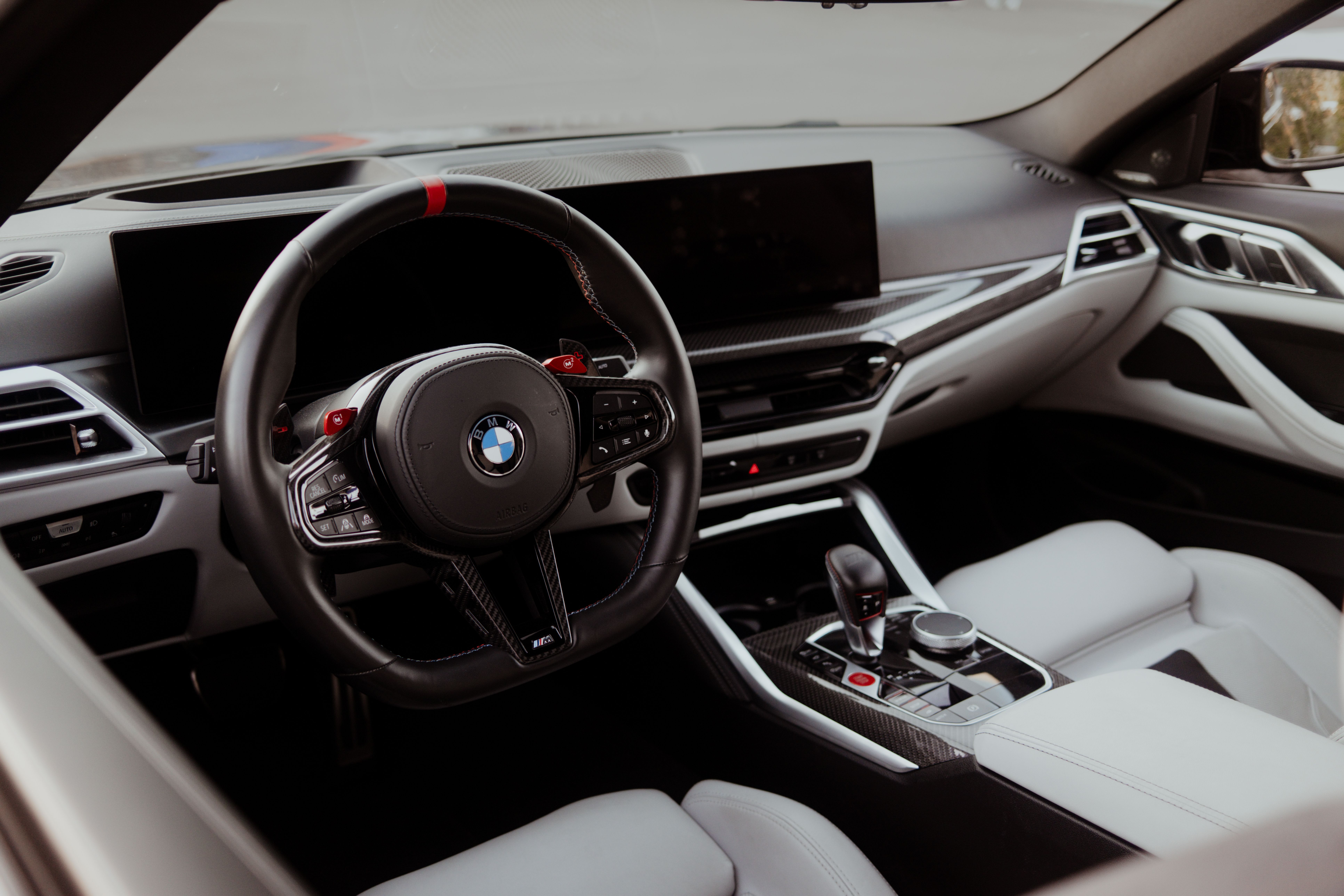
BMW's offering for conditional automation, focusing on high-speed highway driving and traffic assist features. It emphasizes seamless integration with the driver and intelligent learning algorithms that adapt to individual preferences. Like Mercedes, BMW is moving towards certified Level 3 functionality in specific markets, likely with a premium subscription tier or as part of higher trim packages.
While not for private vehicle ownership, Waymo (Google) and Cruise (GM) are critical players in Level 4 autonomy. Operating fully driverless robotaxi services in expanding geo-fenced areas in major cities, these services offer a glimpse into the future of urban mobility. Users subscribe to the service on a per-ride basis, experiencing true Level 4 autonomy without owning the vehicle.
ADVERTISEMENT
Here's a comparison of key features and purchasing models:
When considering your options, evaluate not just the initial cost but the long-term value. Do you prefer a one-time purchase for a core feature, or the flexibility of a subscription that allows you to upgrade or pause services? Do you prioritize hands-off, eyes-off experiences in specific scenarios, or a highly advanced Level 2 system that covers more diverse driving conditions with driver supervision? Booking a test drive with these systems is highly recommended to experience the nuances firsthand.
The trajectory of AI Co-Pilots and autonomous driving is steep and accelerating. By the end of the decade, we anticipate:
The future promises a world where driving is less of a chore and more of an experience, where your car is an intelligent, evolving extension of your digital life. The implications for urban planning, infrastructure, and even our daily routines are immense.
The year 2026 marks a pivotal moment in automotive history, with AI Co-Pilots and subscription-based autonomy moving from experimental features to mainstream offerings. The promise of enhanced safety, unparalleled convenience, and a truly personalized driving experience is now within reach for consumers. Whether you're considering a Mercedes-Benz with certified Level 3 capabilities, a Tesla with its continuously evolving FSD, or the expansive vision of GM's Ultra Cruise, the choices are more diverse and sophisticated than ever before.
Understanding the nuances of these systems – from their operational design domains to their pricing models – is key to making an informed decision. As the lines between hardware and software continue to blur, your car's intelligence will be as crucial as its horsepower. Don't just buy a car; invest in an experience. Explore these groundbreaking technologies, book a test drive, and prepare to redefine your relationship with the road. The future of driving isn't just coming; it's here, and it's smarter than ever.
Editor and trend analyst at motorscrazy.com.
ADVERTISEMENT
Related Articles