In 2026, predictive maintenance is revolutionizing car care. Discover how smart technology, AI, and connected car services can help you monitor vehicle health, prevent unexpected breakdowns, save money on car repairs, and extend your vehicle's lifespan. We compare the best DIY diagnostic tools, telematics services, and professional solutions for ICE, hybrid, and EV maintenance.
Future-Proof Your Ride: The 2026 Guide to Predictive Car Maintenance & Avoiding Costly Breakdowns!
ADVERTISEMENT
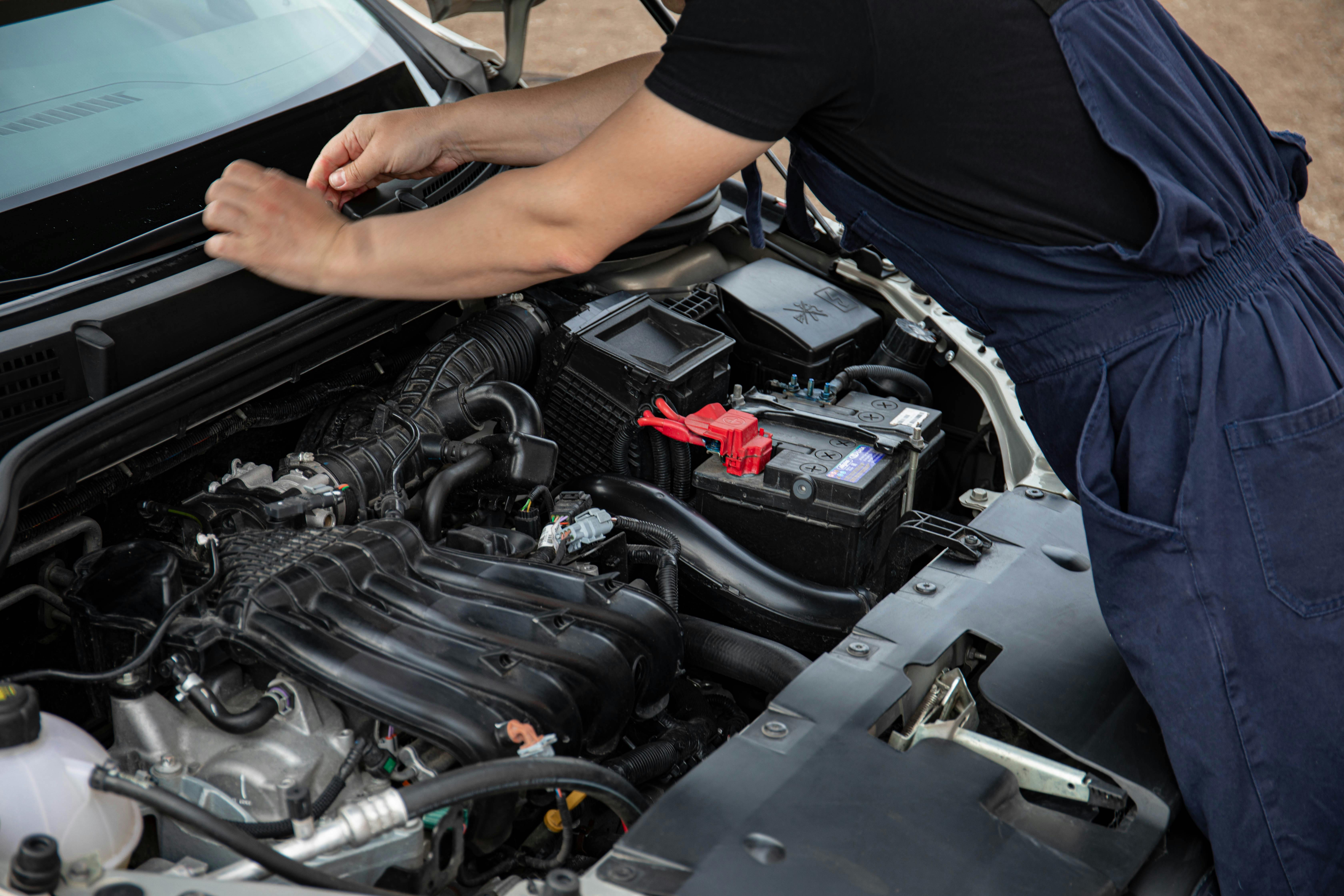
Picture this: You’re cruising down the highway, music up, enjoying the drive, when suddenly – a dreaded warning light flashes on your dashboard. Or worse, a strange noise starts, escalating into a major problem that leaves you stranded and facing a hefty repair bill. For too long, car ownership has been a reactive game, waiting for something to break before fixing it. But in 2026, that era is rapidly coming to an end. Welcome to the age of predictive car maintenance, a game-changer that’s transforming how we care for our vehicles.
Predictive maintenance isn't just a buzzword; it's a technological leap that leverages advanced sensors, artificial intelligence (AI), and real-time data to anticipate potential issues before they become critical failures. Whether you drive a traditional internal combustion engine (ICE) vehicle, a sophisticated hybrid, or a cutting-edge electric vehicle (EV), understanding and adopting predictive maintenance practices is no longer optional – it’s essential for maximizing vehicle longevity, ensuring safety, and, most importantly, saving you significant money on unexpected repairs. This comprehensive guide will navigate the landscape of 2026’s smartest car care, helping you choose the best options to keep your ride running flawlessly.
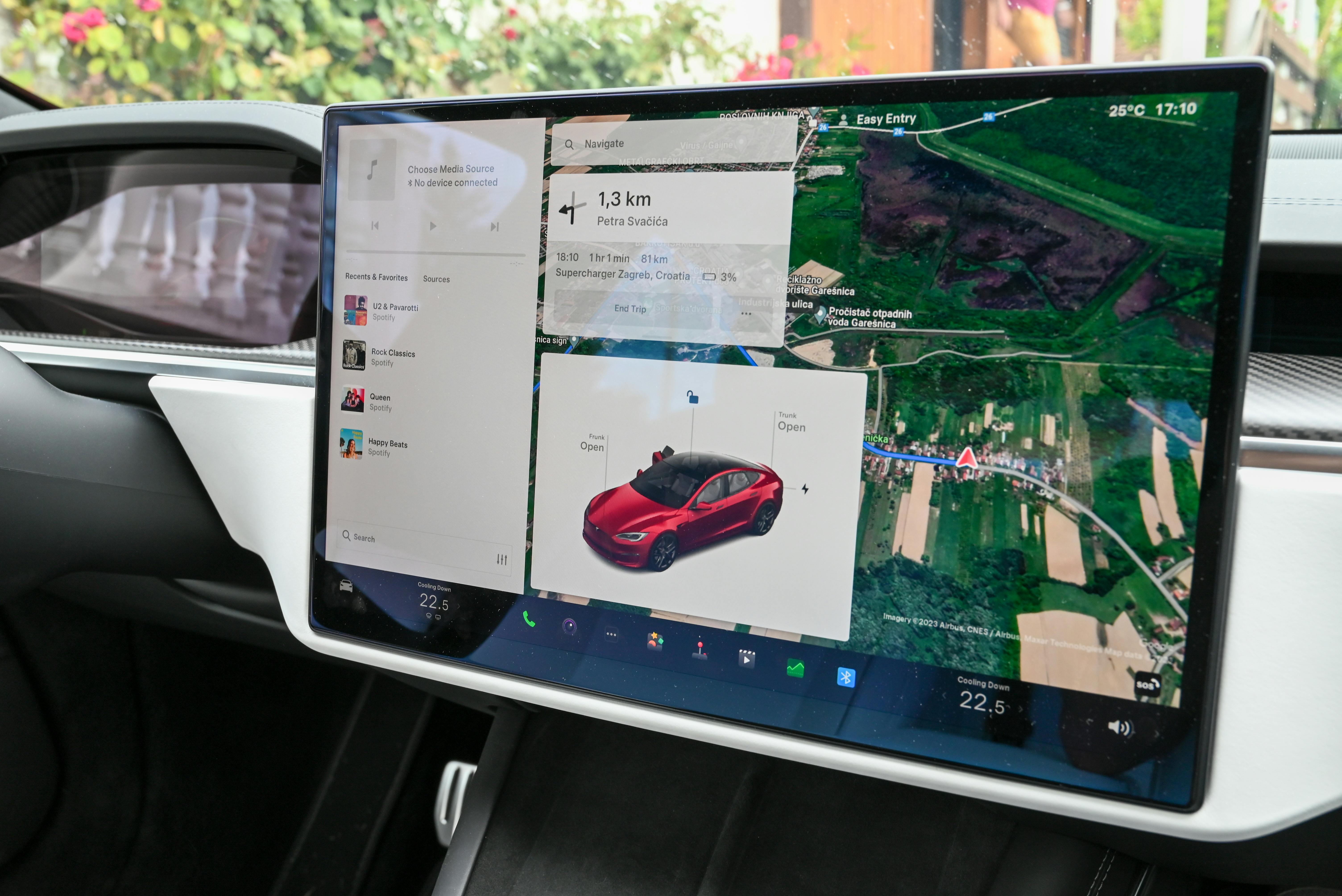
The concept of predictive maintenance isn't entirely new in industrial settings, but its widespread application in consumer automotive is a relatively recent phenomenon, accelerating rapidly thanks to advancements in vehicle telematics, IoT (Internet of Things) devices, and powerful AI algorithms. Gone are the days of simply following a rigid service schedule or waiting for the 'check engine' light to illuminate. Modern vehicles are essentially computers on wheels, equipped with hundreds of sensors constantly monitoring everything from engine performance and transmission fluid quality to tire pressure, brake pad wear, and, for EVs, battery health and charging cycles.
The core principle of predictive maintenance is data analysis. These sensors collect vast amounts of operational data, which is then transmitted (often wirelessly via cellular networks) to cloud-based platforms. Here, AI and machine learning algorithms sift through the data, identifying subtle patterns, anomalies, and deviations from normal operating parameters. For instance, a slight increase in vibration frequency from a specific component, a gradual drop in battery cell voltage, or an unusual fluctuation in fluid temperature could all be early indicators of an impending failure. The AI doesn't just flag these issues; it can often predict when a component is likely to fail, giving you ample time to schedule a proactive repair or replacement.
This approach offers a significant advantage over traditional preventative maintenance (e.g., changing oil every 5,000 miles) which follows a fixed schedule regardless of actual wear and tear, and reactive maintenance (fixing things after they break), which is costly and inconvenient. Predictive maintenance optimizes maintenance schedules, reducing unnecessary service visits while preventing major breakdowns. The global market for automotive predictive maintenance solutions is projected to grow exponentially, driven by the increasing complexity of vehicles, the rise of EVs, and consumer demand for greater reliability and lower ownership costs.
“In 2026, predictive maintenance is no longer a luxury; it’s a fundamental component of smart vehicle ownership,” states Dr. Anya Sharma, lead automotive data scientist at AutoVision Analytics. “The sheer volume and granularity of data coming from modern vehicles, coupled with sophisticated AI, allow us to peer into the future of a car’s health with unprecedented accuracy. We’re moving beyond simple diagnostics to true prognostics.”
ADVERTISEMENT
Dr. Sharma emphasizes that the benefits extend far beyond convenience. “From an economic standpoint, predictive maintenance is a clear winner. By addressing minor issues before they cascade into major problems, car owners can save hundreds, if not thousands, of dollars annually on repairs. Furthermore, a meticulously maintained vehicle with a documented history of proactive care commands a significantly higher resale value. Buyers in 2026 are increasingly savvy; they want assurance of a vehicle’s health, and predictive maintenance records provide that transparency.”
For electric vehicles, predictive maintenance is particularly vital. “EV battery health monitoring is a prime example,” Dr. Sharma explains. “AI can analyze charging patterns, temperature fluctuations, and discharge rates to predict battery degradation and advise on optimal charging habits, thereby extending the battery’s overall lifespan – the single most expensive component in an EV.” Similarly, for ICE vehicles, early detection of issues like catalytic converter inefficiency, fuel injector clogs, or transmission fluid contamination can prevent catastrophic engine or transmission failure.
Beyond the individual owner, predictive maintenance also contributes to broader automotive safety and sustainability. Fewer unexpected breakdowns mean safer roads, and optimized part replacement schedules reduce waste. “The future of automotive is data-driven, and predictive maintenance is at its very heart,” concludes Dr. Sharma. “Embracing these technologies means a safer, more reliable, and more economical driving experience for everyone.”
Navigating the predictive maintenance landscape in 2026 can seem daunting, but thankfully, there's a range of excellent options catering to different budgets and technical comfort levels. Whether you're a DIY enthusiast or prefer professional oversight, integrating predictive capabilities into your car care routine is easier than ever. Here's a breakdown of the leading solutions:
To help you make an informed decision, here's a comparison of these top options:
ADVERTISEMENT
The future of predictive maintenance is even more integrated and intelligent. By 2026, we're seeing several key trends solidify:
These trends point towards a future where vehicle ownership is characterized by unprecedented transparency, reliability, and cost efficiency, making the driving experience safer and more enjoyable.
In 2026, embracing predictive maintenance isn't just about being tech-savvy; it's about being a smart, responsible, and economically conscious car owner. The ability to anticipate and address vehicle issues before they escalate into costly and inconvenient breakdowns is a powerful tool that every driver should leverage. From affordable smart OBD-II scanners that empower DIY diagnostics to comprehensive manufacturer services and expert professional care, there's a predictive maintenance solution for every need and budget.
Don't wait for that ominous warning light to appear or for an unexpected noise to ruin your day. Invest in your vehicle's future today. Explore the options, compare the tools and services that best fit your lifestyle, and join the millions of drivers who are already enjoying the peace of mind and significant savings that come with truly proactive car care. Your car – and your wallet – will thank you.
Editor and trend analyst at motorscrazy.com.
ADVERTISEMENT
Related Articles